

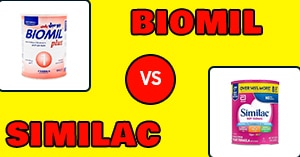
Choosing the right infant formula is not always easy, especially when you have several trusted brands to consider. Biomil and Similac are two options parents may come across when looking for nutrition for their little ones. But which one offers better ingredients, balanced nutrition, and convenience?
Both brands have their own approach to infant nutrition. Biomil focuses on a milk-based formula with essential fatty acids, vitamins, and minerals. Similac offers several formula options, including products designed to support digestion, brain development, and overall growth.
When comparing these two brands, I think it’s important to look beyond the packaging. Ingredients, nutritional composition, age suitability, availability, and your baby’s individual needs all matter.
In this guide, I’ll compare Biomil 1 and Similac Advance to help you understand their differences. We’ll look at their nutritional ingredients, digestibility, taste, preparation, and overall value so you can make a more informed decision.
Is Biomil Good?
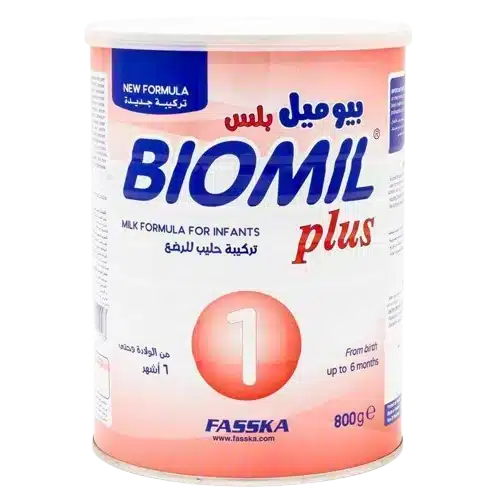
If you’re considering Biomil for your little one, you may wonder whether it provides the nutrition your baby needs. Biomil is a milk-based infant formula manufactured by FASSKA, a Belgian infant nutrition company.
Biomil 1 is designed for full-term babies from birth to 6 months. Its formula contains cow’s milk proteins, lactose, essential fatty acids, vitamins, and minerals to support early development.
One thing that stands out to me about Biomil 1 is its whey-to-casein protein ratio of 60:40. This protein combination provides essential and semi-essential amino acids needed during early growth.
The formula also includes nutrients such as choline, taurine, inositol, and L-carnitine. These nutrients play different roles in normal infant development.
Another interesting point is its essential fatty acid profile. Biomil 1 contains omega-3 and omega-6 fatty acids, which contribute to normal growth and development.
What I Like About Biomil
- Balanced Protein Profile: Biomil 1 contains whey and casein proteins in a 60:40 ratio, providing important amino acids.
- Essential Fatty Acids: It includes omega-3 and omega-6 fatty acids that support normal development.
- Important Nutrients: Choline, taurine, inositol, and L-carnitine are included in its formulation.
- Vitamins and Minerals: The manufacturer lists 13 vitamins and 12 minerals to support nutritional needs.
- Age-Specific Formula: Biomil 1 is specifically formulated for full-term babies from birth to 6 months.
What Could Be Better
- Product Availability: Biomil may not be as easy to find as some larger international formula brands, depending on your location.
- Different Product Variants: Biomil has several options, so parents need to check the exact product before purchasing.
- Ingredient Differences: Its standard Biomil 1 formula does not list added DHA and ARA oils in the same way some competing formulas do.
- Limited Consumer Information: Finding detailed independent reviews and product comparisons can be challenging.
Recommendation
Biomil 1 is worth considering if you’re looking for a standard cow’s milk-based infant formula with a defined whey-to-casein ratio and essential vitamins and minerals.
I particularly like that its manufacturer clearly explains the protein profile and nutritional composition.
However, the right formula depends on your baby’s individual nutritional needs and tolerance. If you’re thinking about switching to Biomil, it’s best to discuss the change with your pediatrician.
Is Similac Good?
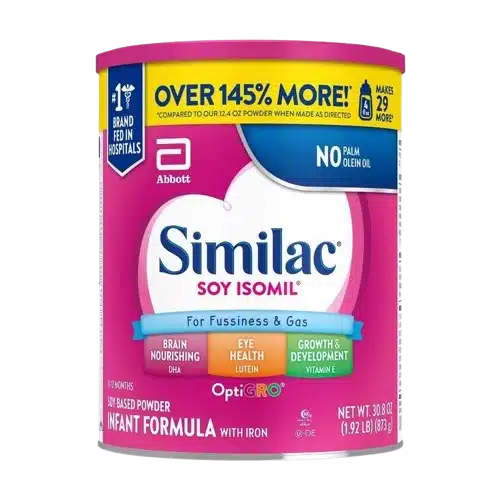
Similac is another well-known name in infant nutrition. Manufactured by Abbott, the brand offers different formulas for babies with varying nutritional needs.
For this comparison, we’re focusing on Similac Advance, a standard milk-based infant formula available in powder and ready-to-feed forms.
One thing I appreciate about Similac is its variety. Parents can find different options depending on their baby’s age and specific feeding requirements.
Similac Advance contains nonfat milk, lactose, whey protein concentrate, and a blend of vegetable oils. It also includes DHA and ARA, fatty acids associated with normal brain and eye development.
Another feature worth mentioning is its use of a blend without palm olein oil. Abbott explains that this formulation is designed to support calcium absorption.
Similac Advance also contains essential vitamins, minerals, iron, choline, taurine, and other nutrients.
What I Like About Similac
- Nutritional Variety: Similac offers several formula options for different feeding needs.
- DHA and ARA: Similac Advance contains these fatty acids, which are important components of infant nutrition.
- No Palm Olein Oil: Its oil blend is designed to support calcium absorption.
- Convenient Options: Parents can choose between powdered and ready-to-feed versions.
- Established Brand: Similac has a long history in infant nutrition and offers detailed product information.
What Could Be Better
- Product Selection Can Be Confusing: With several Similac varieties available, choosing the correct one may take some research.
- Milk and Soy Ingredients: Similac Advance contains both milk and soy ingredients, which may matter for babies with certain allergies.
- Price Differences: Costs vary depending on the product type, package size, and retailer.
- Availability Can Vary: Certain products may be temporarily unavailable depending on the store and location.
Recommendation
Similac Advance is worth considering if you want a standard milk-based infant formula with DHA, ARA, iron, and other essential nutrients.
I also like its different packaging options, particularly ready-to-feed formula for parents who want to avoid mixing powder when feeding their babies.
However, Similac offers several different formulations. Always check the product label to ensure you’re choosing the right one for your baby’s age and nutritional needs.
Biomil vs Similac: Detailed Comparison
Now that we’ve looked at both brands individually, let’s compare Biomil 1 and Similac Advance more closely.
Both formulas provide important nutrients for infant development, but their ingredients and nutritional features are not identical.
1. Nutritional Quality: Biomil vs Similac
Nutrition is one of the most important things to consider when choosing an infant formula.
Biomil 1 provides a combination of whey and casein proteins, essential fatty acids, vitamins, and minerals. It also includes nutrients such as choline, taurine, inositol, and L-carnitine.
Similac Advance offers a similarly broad nutritional profile. It includes protein, lactose, DHA, ARA, iron, vitamins, and minerals.
The main difference is that Similac Advance specifically lists DHA and ARA oils in its ingredient composition, while standard Biomil 1 highlights essential omega-3 and omega-6 fatty acids.
| Aspect | Biomil 1 | Similac Advance |
|---|---|---|
| Protein Source | Cow’s milk, whey and casein | Nonfat milk and whey protein |
| Carbohydrate | Lactose | Lactose |
| DHA | Not listed as added DHA oil | Yes |
| ARA | Not listed as added ARA oil | Yes |
| Vitamins | 13 vitamins | Multiple essential vitamins |
| Minerals | 12 minerals | Multiple essential minerals |
| Iron | Included | Included |
My Take: Both provide a range of essential nutrients. Similac Advance has a clearly listed DHA and ARA advantage, while Biomil 1 provides a defined whey-to-casein protein ratio.
2. Digestibility: Biomil vs Similac
Every parent wants a formula that their baby can tolerate comfortably.
Biomil 1 uses lactose as its carbohydrate source and includes a whey-to-casein protein ratio of 60:40. These are important formulation features, but they don’t guarantee that every baby will digest it comfortably.
Similac Advance also uses lactose as its primary carbohydrate source and contains milk proteins. Its formulation is designed to provide complete infant nutrition.
However, individual babies may respond differently to either formula.
Some babies may experience gas, fussiness, constipation, or changes in stool after a formula change. These symptoms don’t automatically mean a particular brand is unsuitable.
| Aspect | Biomil 1 | Similac Advance |
|---|---|---|
| Protein Profile | 60:40 whey-to-casein | Milk protein and whey |
| Main Carbohydrate | Lactose | Lactose |
| Added Prebiotics | Not listed in standard Biomil 1 | GOS in certain versions |
| Digestive Response | Depends on the baby | Depends on the baby |
| Lactose-Free | No | No |
My Take: Neither formula can be declared easier to digest for every baby. Your baby’s individual tolerance is more important than the brand name.
3. Brain and Eye Development: Biomil vs Similac
Brain and eye development are important during the first year of life.
Biomil 1 contains essential omega-3 and omega-6 fatty acids. These fatty acids are involved in normal growth and development.
Similac Advance includes DHA and ARA in its formulation. DHA is an omega-3 fatty acid, while ARA is an omega-6 fatty acid.
Both are important components of infant nutrition.
| Aspect | Biomil 1 | Similac Advance |
|---|---|---|
| Omega-3 | Yes | Yes |
| Omega-6 | Yes | Yes |
| Added DHA Oil | Not listed | Yes |
| Added ARA Oil | Not listed | Yes |
| Choline | Yes | Yes |
My Take: Similac Advance has a more clearly specified DHA and ARA profile. Biomil 1 also provides essential fatty acids. However, the presence of these ingredients alone doesn’t prove that one formula produces better developmental outcomes.
4. Taste and Smell: Biomil vs Similac
Taste and smell can influence whether a baby accepts a formula.
Biomil 1 is a cow’s milk-based formula containing lactose and vegetable oils. Similac Advance also contains milk-based ingredients, lactose, and a blend of vegetable oils.
Both may have a familiar milk-like smell, but the exact taste and smell can vary depending on the ingredients and preparation.
Some babies accept one formula immediately, while others need time to adjust.
| Aspect | Biomil 1 | Similac Advance |
|---|---|---|
| Milk Base | Cow’s milk | Cow’s milk |
| Main Carbohydrate | Lactose | Lactose |
| Taste Preference | Baby-dependent | Baby-dependent |
| Smell | May have a mild dairy scent | May have a mild dairy scent |
My Take: I wouldn’t declare a winner here because taste preference is subjective. A formula that one baby enjoys may not be accepted by another.
5. Ease of Preparation: Biomil vs Similac
Preparing formula correctly is just as important as choosing the right product.
Biomil 1 is a powdered formula that requires water and careful measurement. Its manufacturer provides preparation instructions, including the recommended water temperature and scoop measurements.
Similac Advance is available in powdered and ready-to-feed versions.
The powdered version requires careful mixing, while the ready-to-feed option doesn’t require adding water.
| Aspect | Biomil 1 | Similac Advance |
|---|---|---|
| Powdered Version | Yes | Yes |
| Ready-to-Feed | Not in standard Biomil 1 | Yes |
| Water Required | Yes, for powder | Yes, for powder |
| Preparation | Follow package instructions | Follow package instructions |
| Convenience | Standard powder preparation | More options |
My Take: Similac Advance has an advantage in convenience because of its ready-to-feed option. However, both powdered formulas are straightforward to prepare when parents follow the instructions correctly.
6. Availability and Value for Money
Price and availability are practical concerns for parents.
Biomil is available in several markets, including Bangladesh. However, the availability of individual variants and package sizes can differ between retailers.
Similac has a broad product range and is widely distributed in many markets. However, availability depends on the country and specific product.
It’s also important to compare the cost per prepared serving rather than simply looking at the price of a tin.
| Aspect | Biomil 1 | Similac Advance |
|---|---|---|
| Market Availability | Varies by location | Varies by location |
| Product Range | Multiple Biomil variants | Multiple Similac variants |
| Packaging | Powdered tins | Powdered and ready-to-feed |
| Price | Retailer-dependent | Retailer-dependent |
| Value | Depends on local pricing | Depends on local pricing |
My Take: There isn’t a universal winner for affordability. Compare the local price, net weight, number of prepared servings, and availability before deciding.
Overall Comparison: Biomil vs Similac
After comparing their ingredients and features, both formulas offer important nutritional components for babies.
Here’s a quick overview:
| Comparison | Biomil 1 | Similac Advance |
|---|---|---|
| Milk-Based Formula | Yes | Yes |
| Whey and Casein | Yes | Yes |
| Lactose | Yes | Yes |
| DHA and ARA Oils | Not listed in standard version | Yes |
| Choline | Yes | Yes |
| Taurine | Yes | Yes |
| Vitamins and Minerals | Yes | Yes |
| Powdered Formula | Yes | Yes |
| Ready-to-Feed | Not listed | Yes |
| Age Suitability | Birth to 6 months | Birth through first year, according to product labeling |
Final Recommendation: Which One Should You Choose?
So, Biomil vs Similac—which one should you choose?
Honestly, there isn’t one formula that is best for every baby. Both brands offer milk-based formulas with essential nutrients, but their formulations have some differences.
Choose Biomil 1 if:
- You prefer a standard cow’s milk-based formula.
- You want a formula with a clearly specified whey-to-casein ratio.
- You are looking for essential vitamins, minerals, and fatty acids.
- Biomil is available from a reliable local retailer.
Consider Similac Advance if:
- You want a formula that includes DHA and ARA.
- You prefer a brand with multiple formula options.
- Ready-to-feed convenience is important to you.
- Similac Advance is readily available in your area.
My overall advice is to focus on your baby’s nutritional needs, age, and tolerance rather than choosing a formula based only on its brand reputation.
Before switching between formulas, talk with your pediatrician. Also, remember that breast milk is the preferred nutrition for infants when available and feasible.
The best choice is a nutritionally appropriate formula that your baby tolerates well and that you can obtain consistently.
FAQs: Biomil vs Similac
Is Biomil better than Similac?
Neither brand is universally better. Biomil 1 and Similac Advance both provide important nutrients, but their ingredient profiles differ. The best choice depends on your baby’s individual needs and your pediatrician’s advice.
Which formula contains DHA, Biomil or Similac?
Standard Biomil 1 lists essential omega-3 and omega-6 fatty acids but does not list added DHA oil. Similac Advance specifically lists DHA and ARA oils. Other Biomil variants, such as Biomil Plus 1, have different ingredients.
Is Biomil good for newborn babies?
Biomil 1 is formulated for full-term babies from birth to 6 months. However, parents should consult a pediatrician before introducing it to a newborn.
Does Similac Advance contain lactose?
Yes. Similac Advance contains lactose as its primary carbohydrate source. It is not a lactose-free formula.
Which formula is easier to digest, Biomil or Similac?
There is no reliable evidence that one is easier for every baby to digest. Both contain cow’s milk proteins and lactose, and individual responses can vary.
Can I switch from Biomil to Similac?
A switch may be appropriate in some situations, but it’s best to discuss it with your pediatrician first. Follow the preparation instructions for the new formula carefully.
Is Biomil suitable for babies with lactose intolerance?
Standard Biomil 1 contains lactose, so it is not suitable as a lactose-free formula. Biomil LF is a separate lactose-free product, but its suitability should be assessed by a healthcare professional.
Which formula is more affordable, Biomil or Similac?
Prices vary by country, retailer, and package size. Compare the cost per prepared serving to understand which option offers better value.
Can I mix Biomil and Similac together?
Don’t combine different formula powders in one bottle unless your healthcare professional specifically instructs you to do so. Each product has its own preparation and measurement instructions.
Is breast milk better than Biomil and Similac?
Breast milk is the preferred nutrition for infants when available and feasible. Infant formula provides an alternative when breastfeeding isn’t possible or isn’t sufficient.